The Challenge
Understanding why current systems fall short and the case for a new approach
The Scale of the Challenge
People requiring humanitarian assistance globally
Forcibly displaced worldwide
Increase in climate-related disasters since 1970s
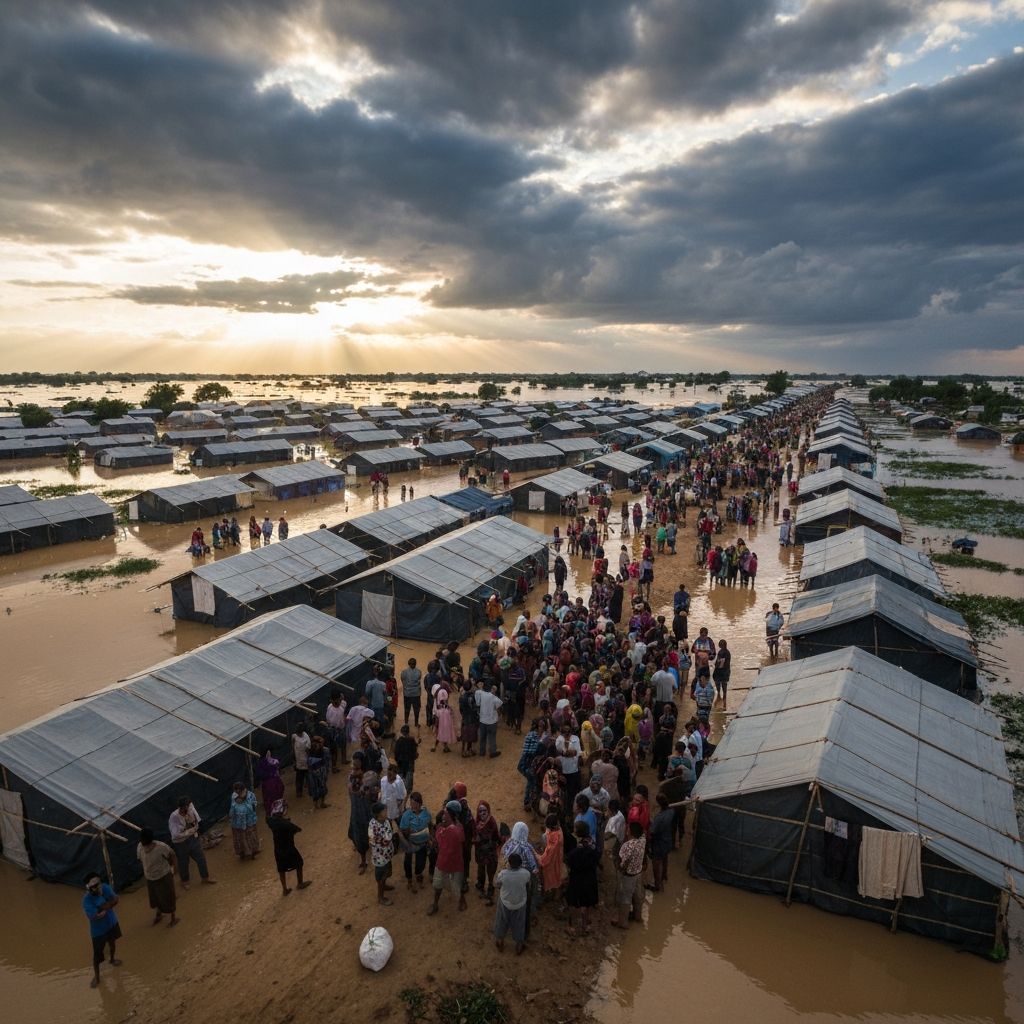
Climate change, conflict, and fragility are accelerating. More people need help, but traditional systems struggle to keep pace.
Why Current Systems Fall Short
Slow Response Times
Bureaucratic processes delay critical aid when every hour counts. Communities wait days or weeks for help that should arrive in hours.
Dependency Creation
Top-down aid delivery often bypasses local capacity, creating long-term dependency rather than building resilience.
Coordination Failures
Fragmented responses lead to gaps and overlaps. Different agencies work in silos, missing opportunities for synergy.
Community Exclusion
Those most affected are often least consulted. Women, youth, and marginalised groups are systematically excluded from decision-making.
The Case for D3R
We believe there is a better way. By combining specialist speed with genuine community partnership, we can transform how disaster response works.
- Rapid deployment that doesn't sacrifice quality or community engagement
- Intelligence-led operations that put resources where they're needed most
- Community co-creation that builds local capacity from day one
- Trauma-informed approaches that respect dignity and agency
Ready to learn more about our approach?